
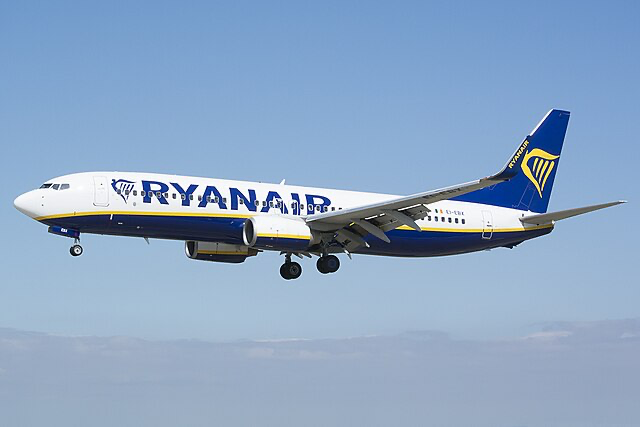
Planning to travel in Europe? Airplane tickets are one of the significant contributors to your overall travel budget that you should carefully consider. The airline you choose could hugely affect your total spending, which is why many travelers opt for low-cost airlines. Today, many budget airlines are in operation, with modern aircraft that follow strict safety regulations comparable to full-service airlines. Here are the top 10 best low-cost airlines in Europe that you can consider for your next trip.
1. Eurowings
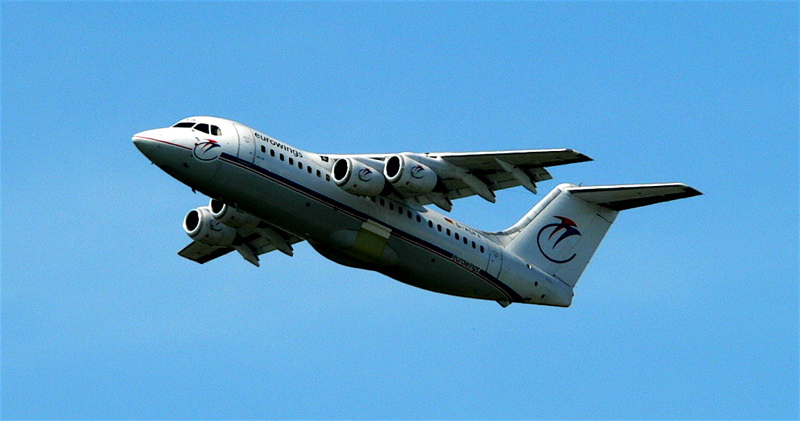
Eurowings is a German low-cost carrier and a wholly-owned subsidiary of the Lufthansa Group. Positioning itself as a “value airline” with a tiered fare system that breaks down the pricing structure into budget, standard, and premium fares, Eurowings offers affordability with flexibility for both leisure and business travelers. It operates around 100 aircraft to about 150 European destinations from major bases like Düsseldorf and Cologne, with a focus on holiday destinations.
Eurowings is often comparable to Ryanair or Wizz Air in terms of fare, and is often an appealing choice for travelers due to the reliability of a legacy carrier’s brand. It is also suitable for multi-leg European itineraries if you are booking for three or more flights combined into one ticket, as you can avoid extreme baggage or seating restrictions.
2. Ryanair
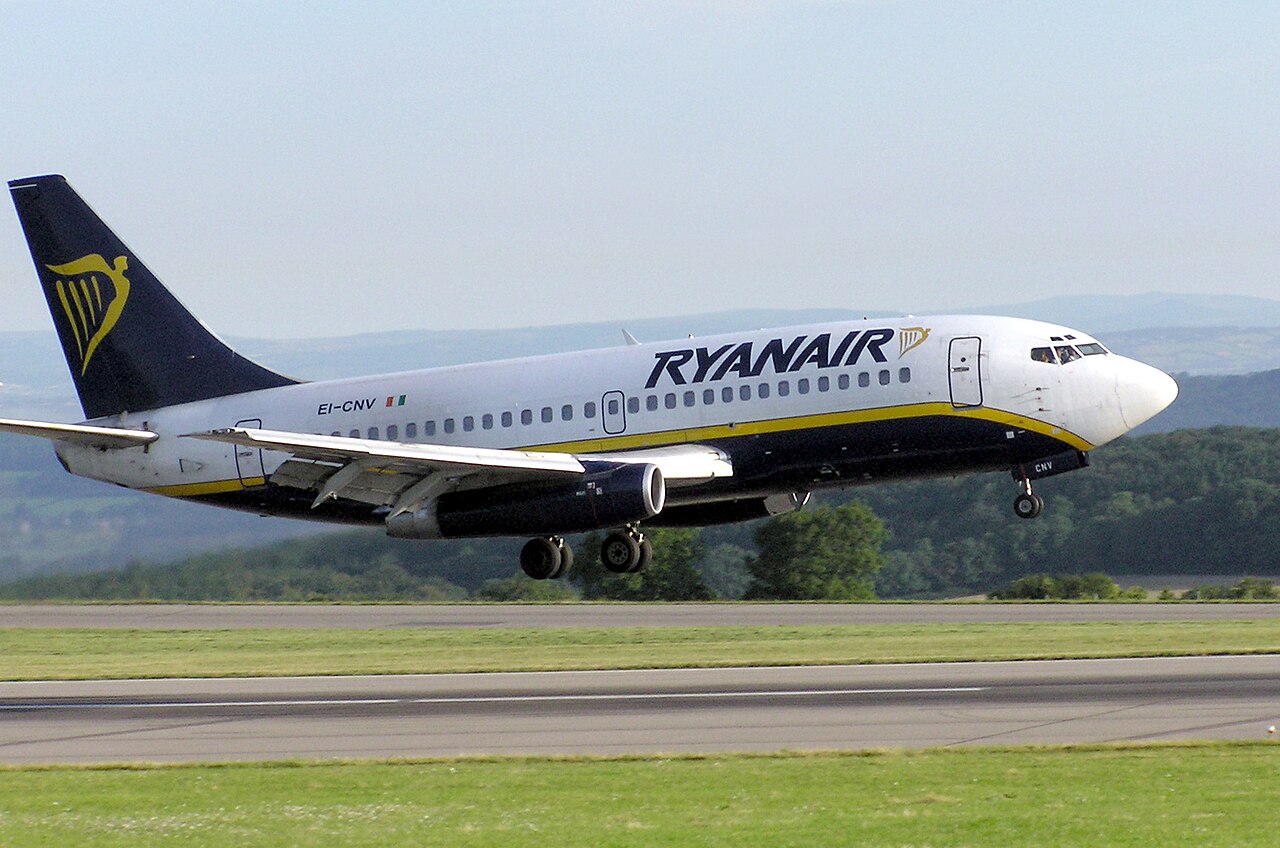
Next on the list is Ryanair, Europe’s largest low budget airline which remains the go-to choice for many travelers prioritizing cheap airline tickets. With an expansive network spanning 229 destinations across 37 countries, Ryanair offers unparalleled connectivity with over 600 aircraft.
However, its ultra-low-cost airline model means the initial price tag may escalate with add-ons for baggage, seat selection, and onboard purchases. Savvy passengers who travel light choose to skip the extras to cut costs, though they must also factor in the potential inconvenience and cost of flying into more distant secondary airports
3. Wizz Air
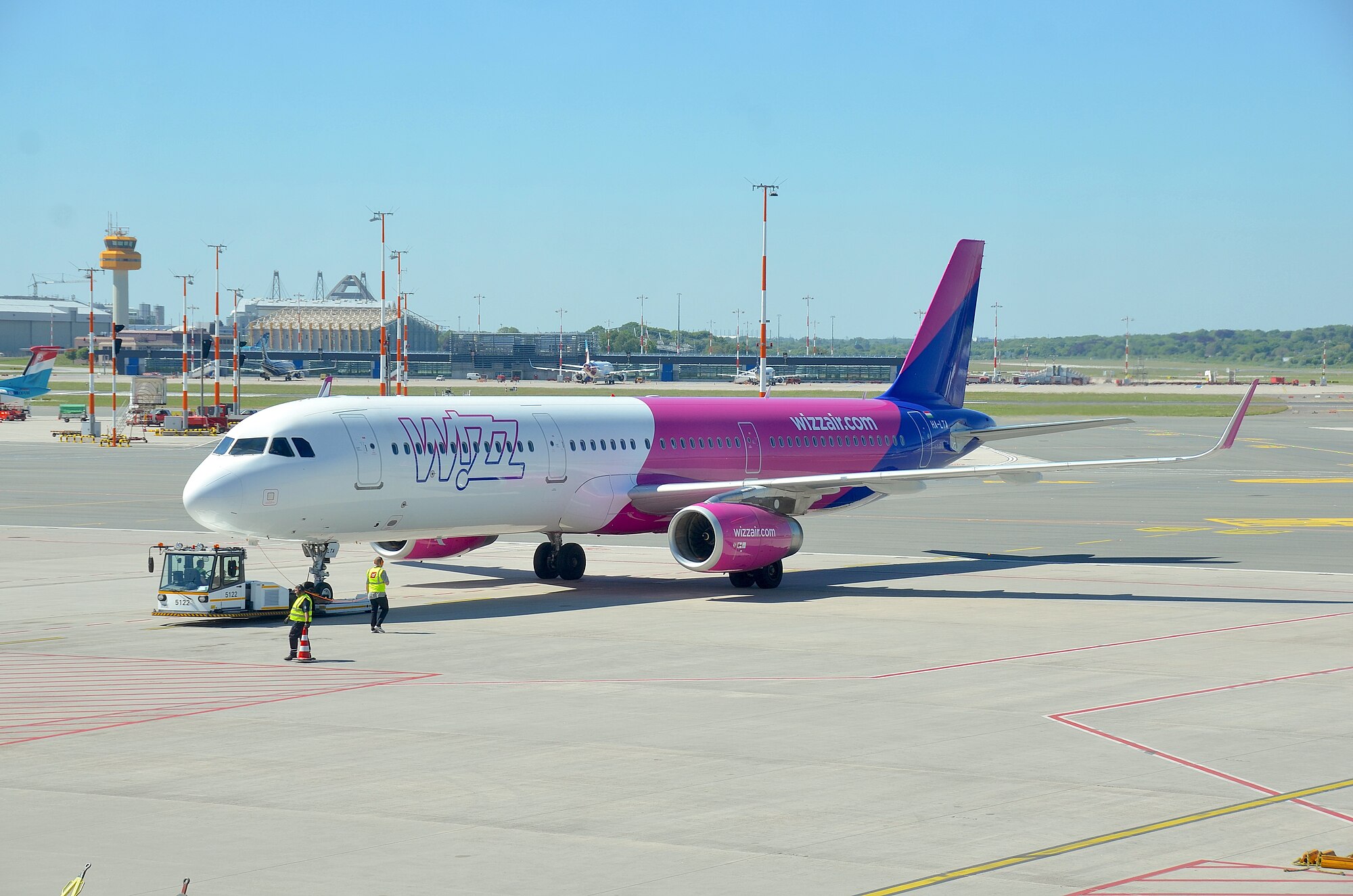
Wizz Air is a fast-growing Hungarian ultra-low-cost airline that is popular in Central and Eastern Europe. With a relatively young and fuel-efficient Airbus fleet, the airline’s model is built for price-sensitive travelers with cheap base fares. They also offer an “All You Can Fly” membership, where members can fly on unlimited flights for a fixed annual fee and some additional fees.
Having an extensive network of 800 routes from 32 bases in 16 countries, Wizz Air connects passengers to nearly 200 destinations across Europe and North Africa, including direct routes where other airlines don’t typically operate.
4. easyJet
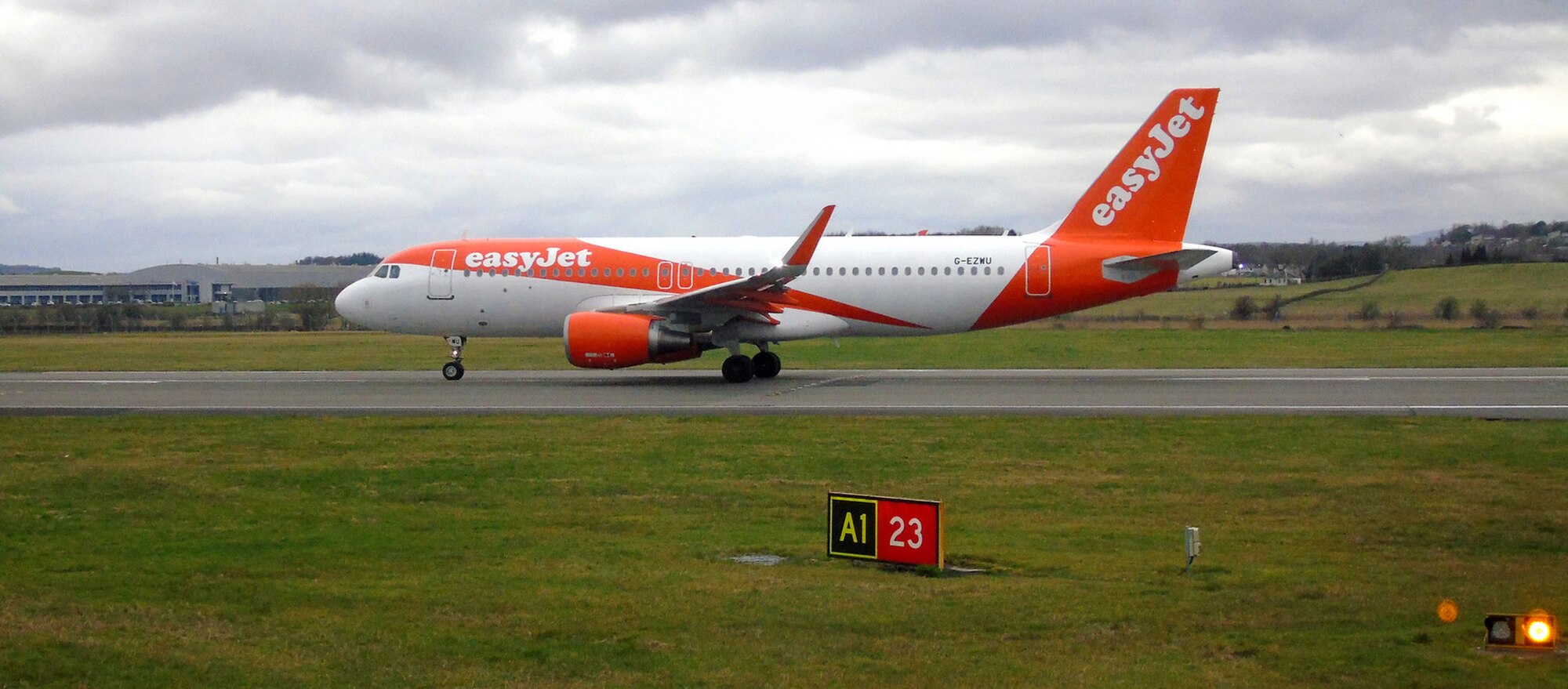
Operating since 1995, easyJet is one of Europe’s biggest well-established low-cost airlines, connecting major cities and popular destinations like London, Paris, Barcelona, and Milan. They also operate from main airports, giving passengers an added benefit of easy airport access despite the slightly higher price than Ryanair.
With flexible fare options compared to many budget airlines, easyJet also offers frequent fare sales, although passengers still need to be prepared for checked luggage and onboard refreshment fees. easyJet currently has over 1,000 routes across more than 35 countries and has a track record of reliable schedules on busy routes.
5. Vueling
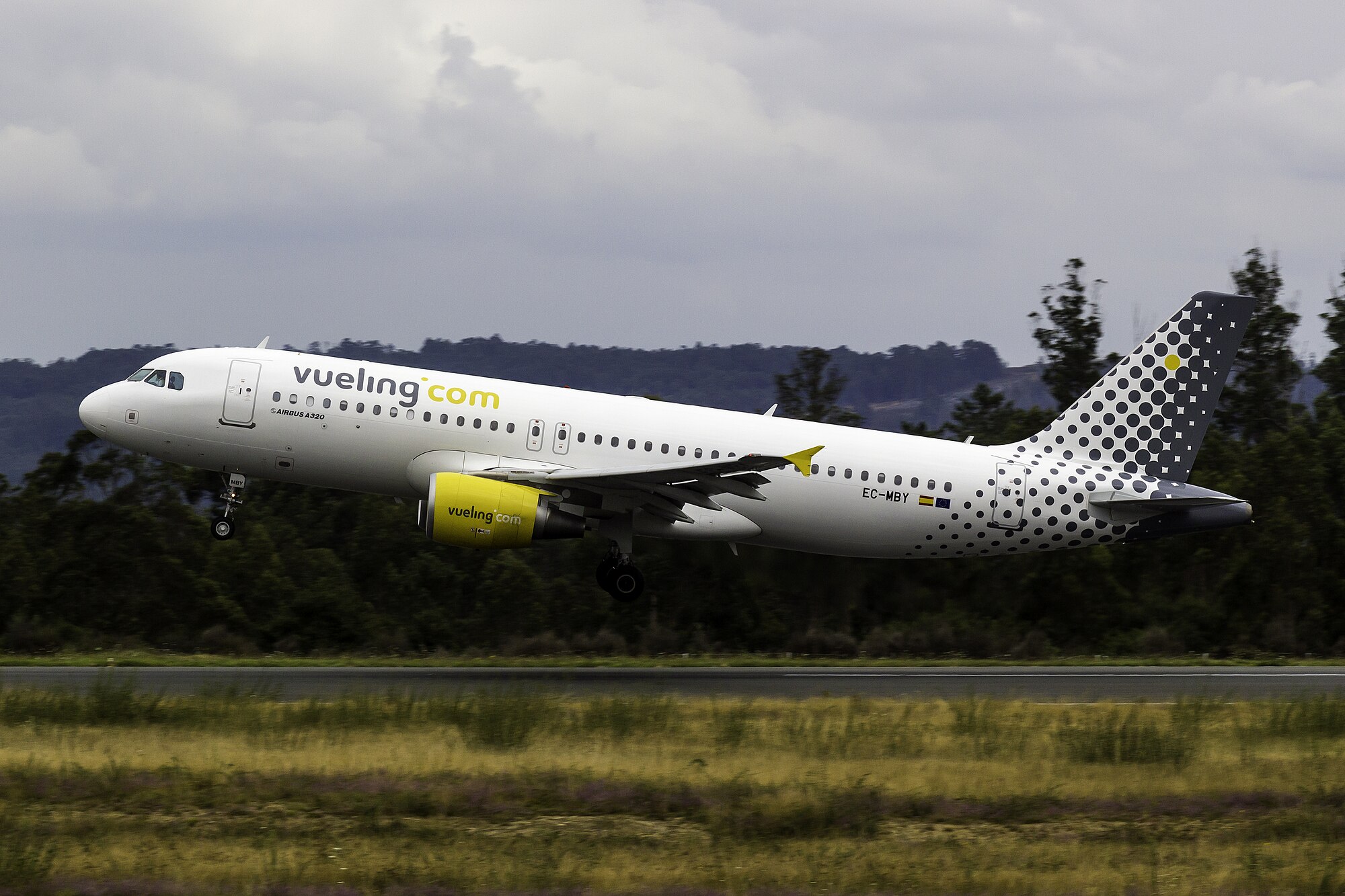
For travelers with an itinerary around Western and Southern Europe, especially within Spain, Vueling is one of the low budget airlines worth checking out. They also offer flights that connect secondary cities that are often harder to find on major airlines. This Spanish airline is based in Barcelona, and is part of the International Airlines Group (IAG), which also owns Iberia and British Airways.
With an easy booking interface and a price-calendar tool for finding affordable low-season deals, Vueling stands out as a reliable and digital-first airline. Another advantage is that they also offer a loyalty program that allows travelers to collect points that can be used across other IAG airlines.
6. Iberia Express
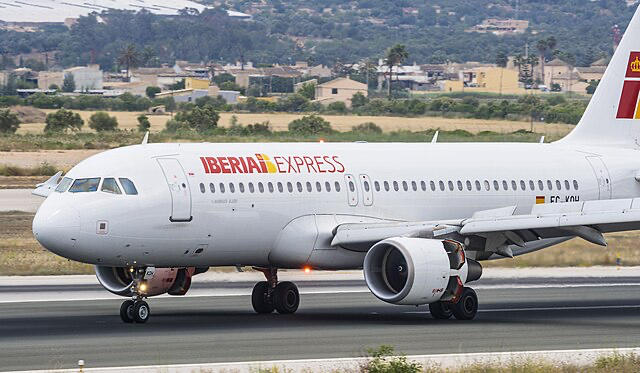
Iberia Express is the low-cost airline of the Iberia Group,the flag carrier of Spain with short and medium haul routes. With a fleet of 23 aircraft, Iberia Express operates to more than 40 destinations within and out of Spain, also feeding the long distance network of its parent company.
Blending budget-friendly fares with the reliability and connectivity of a major network airline, Iberia Express also offers industry-leading punctuality, having been named the world’s most punctual low-cost carrier for five consecutive years and Europe’s best for six, according to FlightGlobal. Passengers can also enjoy lounge access and a more comfortable experience than ultra-low-cost competitors, making it an ideal choice for travelers who do not mind slightly higher fares without sacrificing the perks of a full-service network.
7. airBaltic
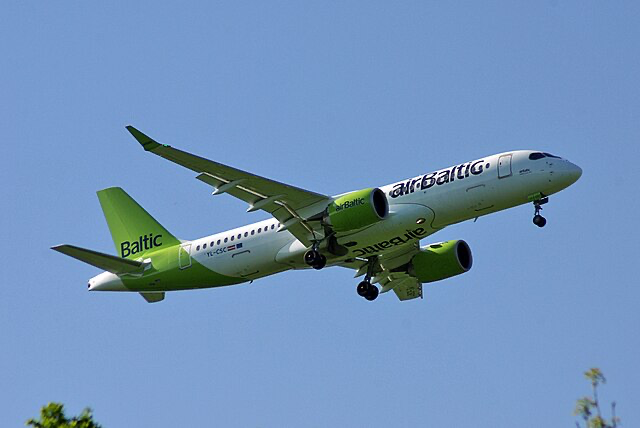
airBaltic is the leading low-cost airline in the Baltics with a strong regional hub in the region. Linking Northern and Eastern Europe with major European cities, they are a hybrid airline which offers the benefits of both traditional network and low budget carriers.
Their fleet consists of 54 Airbus A220-300 aircraft, with comfortable seats for a budget airline and competitive fares on lesser served routes. In 2025, they also became the first European airline to have free high-speed SpaceX Starlink internet on flights.
8. Volotea
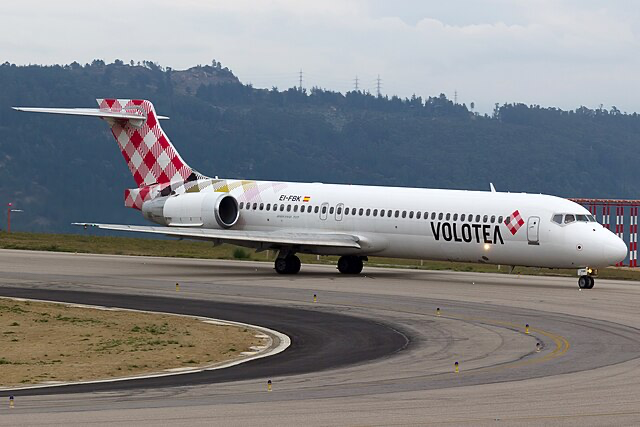
Founded in 2011 by Vueling’s creators, Volotea is another low-cost airline based in Spain that connects small and mid-sized European cities. Operating up to 450 routes and more than 100 cities across 18 countries, Vueling was also named Europe’s Leading Low-Cost Airline at the World Travel Awards in 2024 and 2025.
Travelers can enjoy significant savings by joining their Megavolotea membership program, with benefits such as flight discounts, seat selection, and flexible booking changes. In 2026, Volotea aims to offer more than 430 routes and operate over 80,000 flights, with a fleet consisting of up to 46 Airbus A319 and A320 aircraft.
9. Transavia
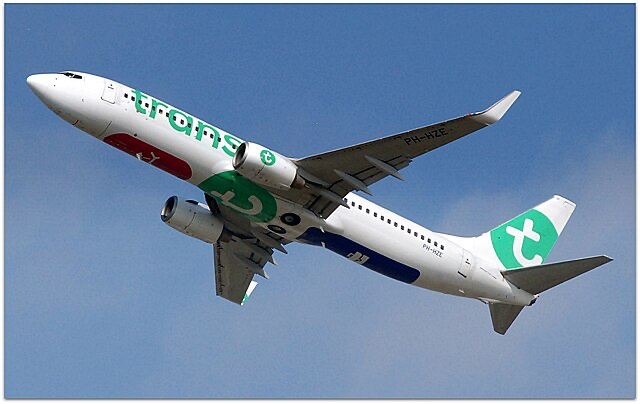
Transavia is a Dutch low-cost carrier wholly owned by the Air France-KLM group. Offering a unique blend of budget travel with the support of a major European airline group, Transavia operates to 86 international destinations across 25 countries, primarily in Southern Europe and North Africa.
This airline provides competitive base fares while allowing passengers to benefit from the broader KLM network for connecting travel. Currently flying a Boeing 737 fleet, Transavia has undergone significant modernization, having placed a major order for Airbus A320neo family aircraft to gradually replace its existing fleet, signaling their commitment to efficiency and sustainability in the coming years.
10. Norwegian Air Shuttle

For short-haul travels across the Nordics and to key European destinations, Norwegian Air Shuttle provides competitive flights with economy and premium economy options, giving travelers flexibility without paying more for basic services.
Operating as a low-cost carrier since 2002, Norwegian Air Shuttle used to serve long-haul markets in the US, Asia, and South America, before reverting back to core destinations in 2018. In the aftermath of the COVID-19 pandemic, they adopted a simplified business model centered on short-haul operations, which makes it a suitable choice for travelers looking for flights in domestic Norwegian routes, broader Nordic connections, and key European destinations. They also offer travelers the flexibility to customize their journey according to their budget and service preferences.
Tips for Choosing a Low-Cost Airline
1. Calculate both base fares and extra fees
Always calculate the total cost before buying, apart from the base fares. Low-cost airlines often charge for baggage, seat selection, and meals, so make sure to take into account all the extra fees before picking an airline. If you decide to carry additional baggage, do check dimensions and weight rules in advance.
2. Check the airline’s route and airport network
Ensure that the airline that you choose has routes that fit your travel plans. Some cheap airlines focus only on short regional routes, while others may offer long-haul flights. Also, check the airports that their aircraft can reach, as cheap airlines may operate in secondary airports that may be far from city centers and cost you higher for transport.
3. Research about the aircraft type
Some low-cost airlines have newer aircraft. This means you can benefit from better fuel efficiency, more spacious cabins, and a more comfortable overall flight experience.
4. Verify the airline’s punctuality and reliability
Finding cheap airline tickets isn’t worth it if the airline has a reputation of frequently delaying or cancelling flights. Look for passenger reviews and online rankings about the airlines, and choose one that is known for reliable and on-time performance.
5. Understand seating and on-board services
Research about the seating arrangement and legroom in the aircraft. Some budget airlines may also offer paid upgrades for extra legroom or quiet zones, which may help you feel more comfortable on longer flights. Also, decide if you are okay with no meals or entertainment if you are really pressing your budget, as these are usually charged apart from your base fare.
Ready for Your Next European Adventure?
With the various ultra-low-cost airlines available, choosing one that suits your travel route, budget, and preferences can greatly help make your travels more convenient. If you are planning to explore Europe for business or leisure, one of these low-cost airlines may be the one you are looking for.