
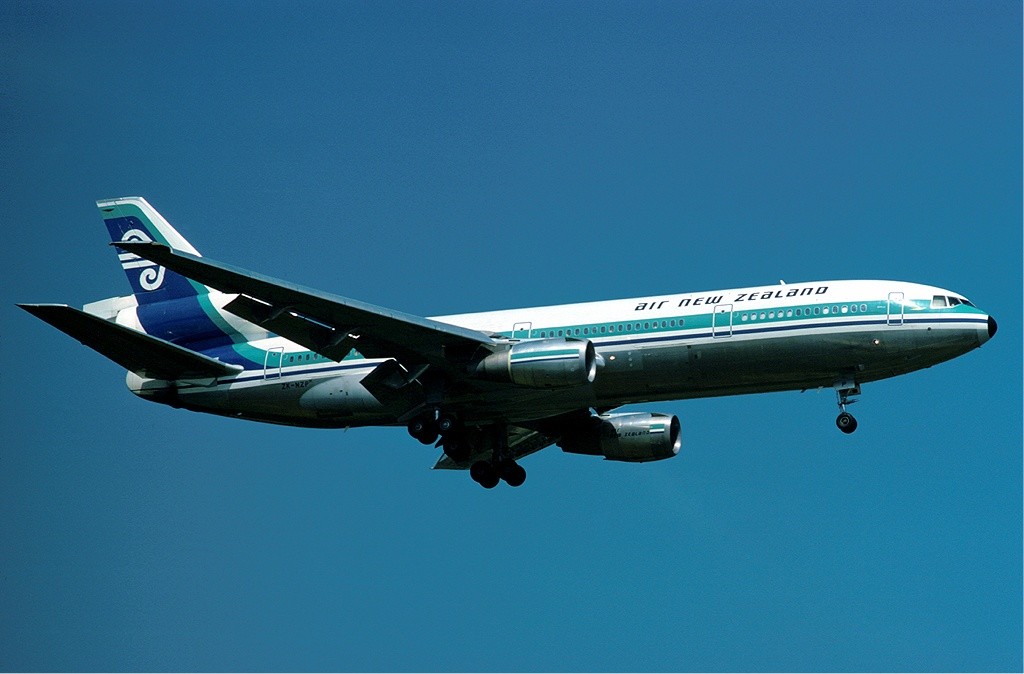
On November 28, 1979, Air New Zealand Flight 901 crashed into Mt. Erebus, killing all 257 people on board. The Mt. Erebus plane crash remains the worst civil accident in the history of New Zealand’s aviation, and, at the time of the disaster, the fourth-deadliest air crash of all time.
Crash Details
At 8.20 am on November 28, 1979, Air New Zealand Flight 901, a McDonnell Douglas DC-10-30, prepared for takeoff from Auckland International Airport for Antarctica. The flight was meant to be a 11-hour return sightseeing experience showing the scenic features and landmarks in Antarctica.
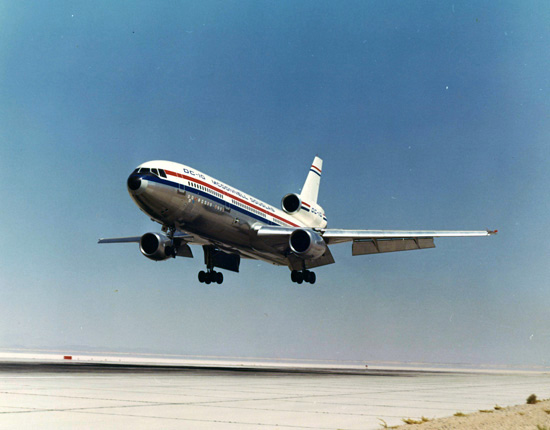
Despite never flying the Antarctica route, Captain Jim Collins and First Officer Greg Cassin, who were experienced pilots, had attended a detailed briefing that included flight path coordinates used on previous flights. However, the pilots were not aware that Air New Zealand’s navigation department had altered two key latitude and longitude coordinates earlier that morning.
What was thought to be a minor adjustment shifted the programmed flight path approximately 45–50 kilometres east, placing the aircraft directly on a collision course with Mount Erebus instead of over the flat ice of McMurdo Sound.
After departing Auckland, Flight 901 progressed normally toward Antarctica under clear conditions over Northern Victoria Land. The aircraft completed its planned turn at Cape Hallett and continued toward its next waypoint, the TACAN navigation beacon at Williams Field near McMurdo Station.
As the flight approached the Ross Island region, weather conditions became more variable, with a broken cloud base at around 914 m (3,000 ft). Approximately 64.4 km (40 miles) from McMurdo, the crew identified a gap in the cloud cover extending down to sea level. They decided to descend through this opening ahead of their scheduled arrival. The captain had also been informed that visibility below the cloud layer over Ross Island extended up to 64.4 km (40 miles).
Despite standard safety requirements to maintain a minimum sector altitude of 4,876.8 m (16,000 ft) directly overhead the McMurdo TACAN, and to descend below that altitude only under strict visibility and procedural conditions, the aircraft continued its descent. When Flight 901 informed the U.S. Navy’s air traffic control center at McMurdo Station that they were descending to 610 m (2,000 ft), the air traffic controllers did not question the request. Based on the aircraft’s reported position north of Ross Island, controllers believed the descent would place the aircraft safely over flat sea ice while maintaining visual meteorological conditions, providing passengers with a closer view of Antarctica.
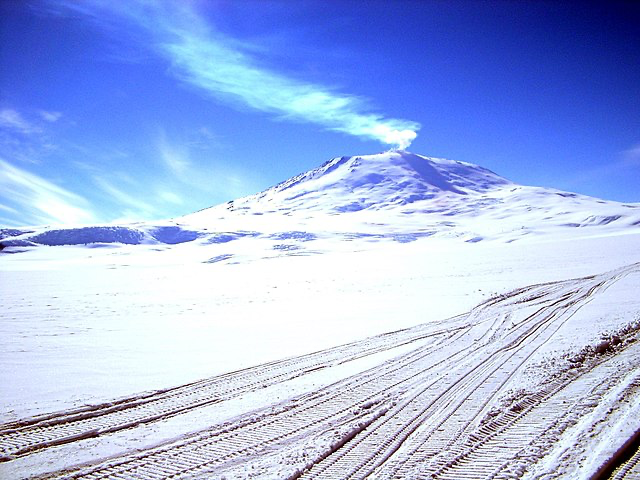
Unbeknownst to both the crew and controllers, the aircraft was in fact flying directly toward Mount Erebus, an active volcano rising 3,794 m (12,448 ft) above sea level. About five minutes later, all communication with the airplane crew stopped. After about one hour, personnel at the air traffic control centre sent out search-and-rescue airplanes. The wreckage of the plane was discovered not long after on Mount Erebus with no survivors.
Casualties
There were 237 passengers and 20 crew onboard Flight 901. They came from across New Zealand, with a number of international passengers.
Investigation
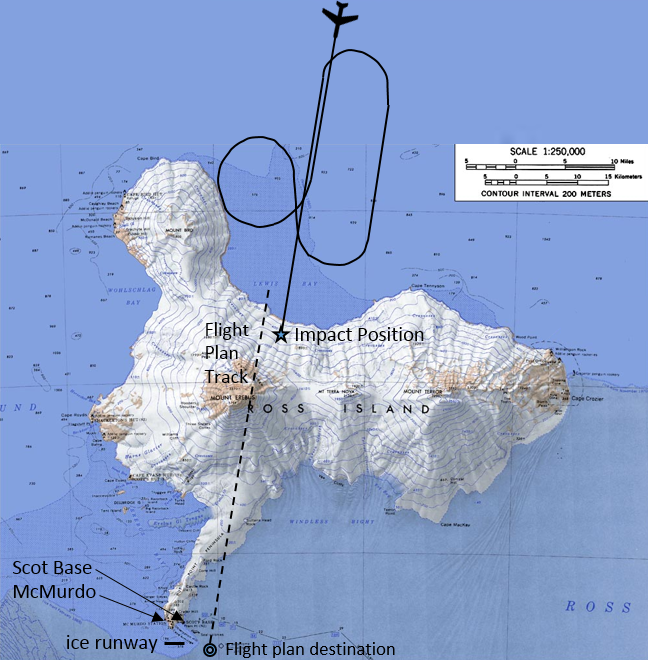
Based on cockpit voice recorder (CVR) transcripts from the last minutes of the flight before impact with Mount Erebus, it was concluded that the flight crew believed they were flying over McMurdo Sound to the west of Mount Erebus, with the Ross Ice Shelf visible on the horizon. About 6 minutes after completing a descent, the plane collided with the mountain at an altitude around 460 m (1,500 ft) on the lower slopes of the mountain. Passenger photographs taken seconds before the collision proved that there was clear visibility beneath the cloud base.
The investigation of the Flight 901 disaster later discovered the following findings:
Incorrect flight coordinates in plane’s navigation system
Nineteen days prior to the Antarctic plane crash, the pilots had attended a briefing session, showing them printouts of a flight plan from previous flights to the Antarctic. The plan contained coordinates that can be entered into a computerized navigation system, allowing the plane to fly automatically to its destination.
However, in the early morning before the flight, the pilots did not know that two of the coordinates had been changed, resulting in the aircraft’s flight path shifting 45 km (28 miles) to the east, leading to the collision.
Flight 901’s permission to fly low
At 12.30 pm, when Flight 901 was about 70 km (43.5 miles) from McMurdo Station, it was granted permission to descend 3,050 m (10,007 ft) below. Air safety regulations usually prohibit planes dropping lower than a height of 1,830 m, even during fine weather, but Collins believed the plane was flying over low and flat ground. Since the flight was also a sightseeing experience, other pilots often flew low to give their passengers a better view of the landmarks.
Whiteout phenomenon
As the plane started dropping lower, a phenomenon known as polar whiteout obscured the terrain ahead. This phenomenon occurred due to the snow-covered slopes of the mountain blending into the sky, removing depth perception and visual contrast. This dangerous condition causes pilots to lose all visual cues due to the uniform, making it impossible to judge altitude or distance. In many cases such as the Flight 901 accident, this leads to spatial disorientation.
Lost contact with Flight 901
From 12:50 pm onwards, McMurdo Centre kept trying to contact Flight 901, and finally informed Air New Zealand headquarters that communication had been lost. At 10:00 pm, about thirty minutes after the aircraft would have run out of fuel, Air New Zealand announced that the aircraft was assumed to be lost.
Wreckage discovery
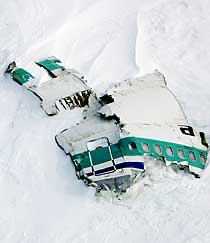
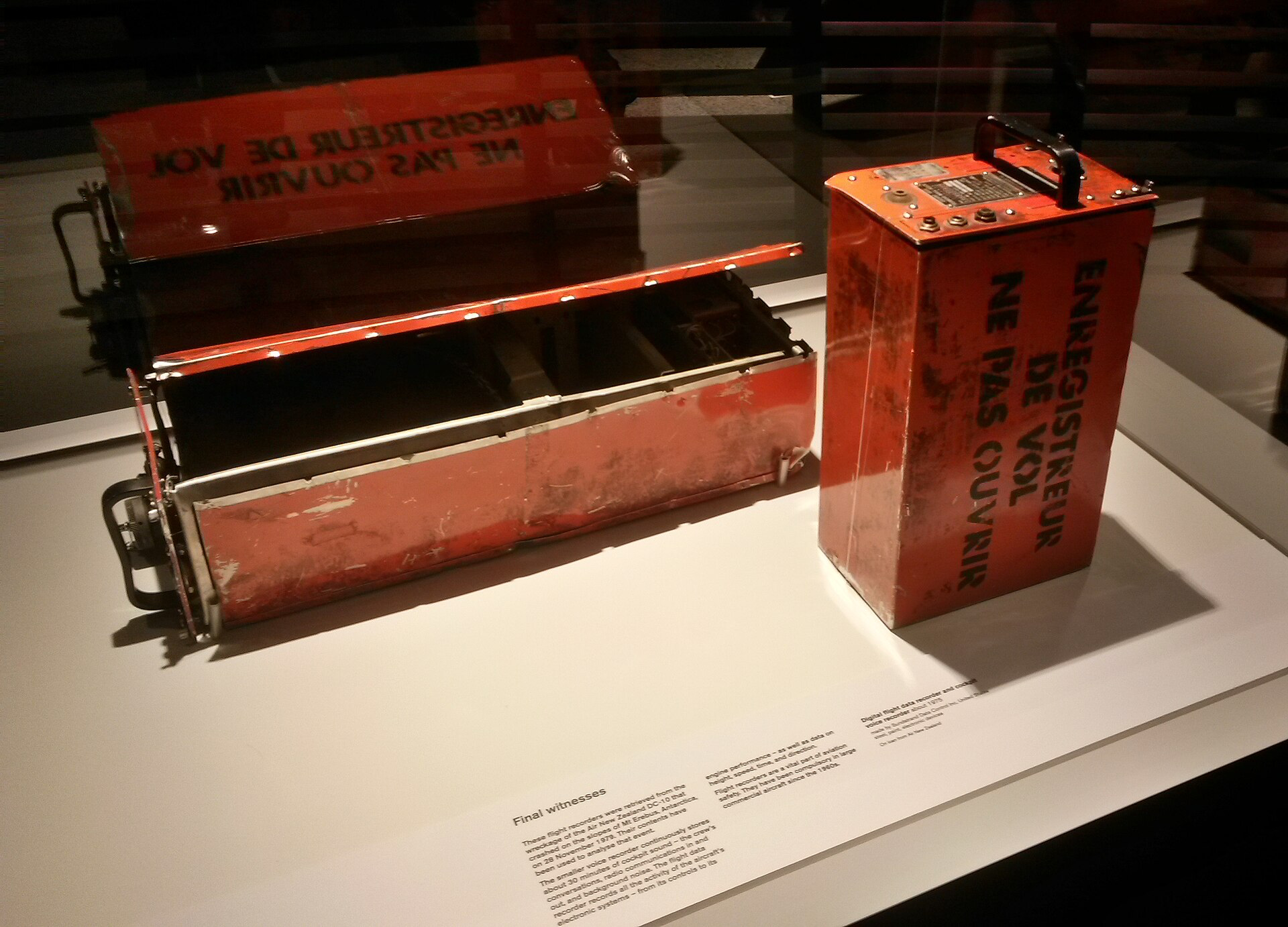
20 hours after the Antarctic plane crash, search parties were able to land at the site, confirming that the plane’s wreckage had been found with no survivors. Inspection of the plane’s wreckage and flight recorder tapes showed that there was no mechanical reason for the crash, nor was there any emergency in the aircraft’s cockpit.
Aftermath of the Mt. Erebus Plane Crash
Two official investigations were conducted after the Flight 901 disaster. The first investigation identified pilot error as the main cause of the crash. However, since the report caused controversy, a royal commission of inquiry was established for further investigation. Released in 1981, the second report identified that Air New Zealand was to blame for the accident for changing the flight path without the aircrew’s knowledge. As a result, Air New Zealand and the Civil Aviation Division were ordered to pay the costs of the inquiry.
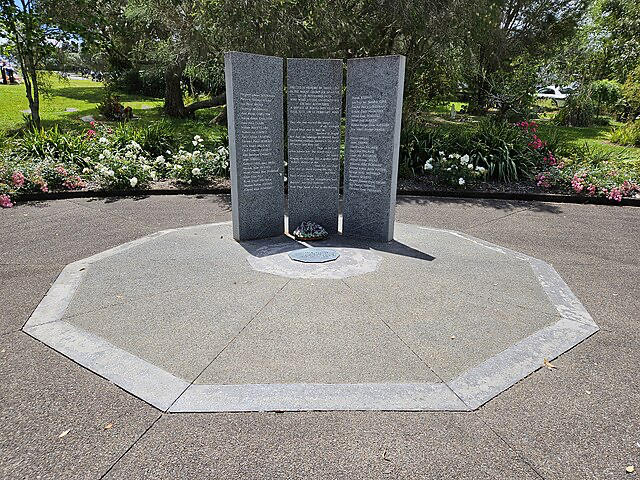
In 2019, New Zealand Prime Minister Jacinda Ardern and Air New Zealand both apologized for the Erebus plane crash. A memorial sculpture was also made to commemorate the tragedy, placed at the airline’s headquarters in Auckland.
What Can We Learn from Air New Zealand Flight 901?
After decades, the Flight 901 disaster remains the worst in New Zealand’s aviation history. As a young nation, many see the crash as a deep challenge to the nation’s clear sense of direction, stability and trust. Worldwide, the Erebus plane crash also reshaped aviation safety culture, being a reminder of the need for transparent operational procedures and the deadly consequences of poor communication between ground operations and flight crews.