
The runway is a crucial part of any airport to provide a stable surface for aircraft to take off and land safely. However, airports in remote or dangerous locations do not always have the luxury of widely available space. Some commercial airports have to operate with extremely short runways, some less than 600 m (1968.5 ft) long. Ever wonder where these airports are located? Here are the top 10 smallest airports in the world by their runway length.
10. Barra Airport, Scotland
Located on the island of Barra, north of Scotland, Barra Airport is one of the only airports in the world with runways built on the beach. It has three runways, measuring 680 m (2231 ft), 800 m (2625 ft), and 846 m (2776 ft). As flights are only scheduled during low tides, the Barra Airport has one of the highest cancellation rates among small airports. This is because the runways can be submerged during high tide conditions, requiring flight schedules to be adjusted based on the tides. When aircraft approaches or takes off from the airport, the beach is closed for public access.
Despite its small size and secluded location, the airport manages to handle more than 10,000 passengers per year with around 1,400 aircraft movements. This includes commercial flights operated by Loganair and Flybe to Glasgow Airport, as well as around 60 private light aircraft landing every year.
9. Gustaf III Airport, Saint Barthélemy
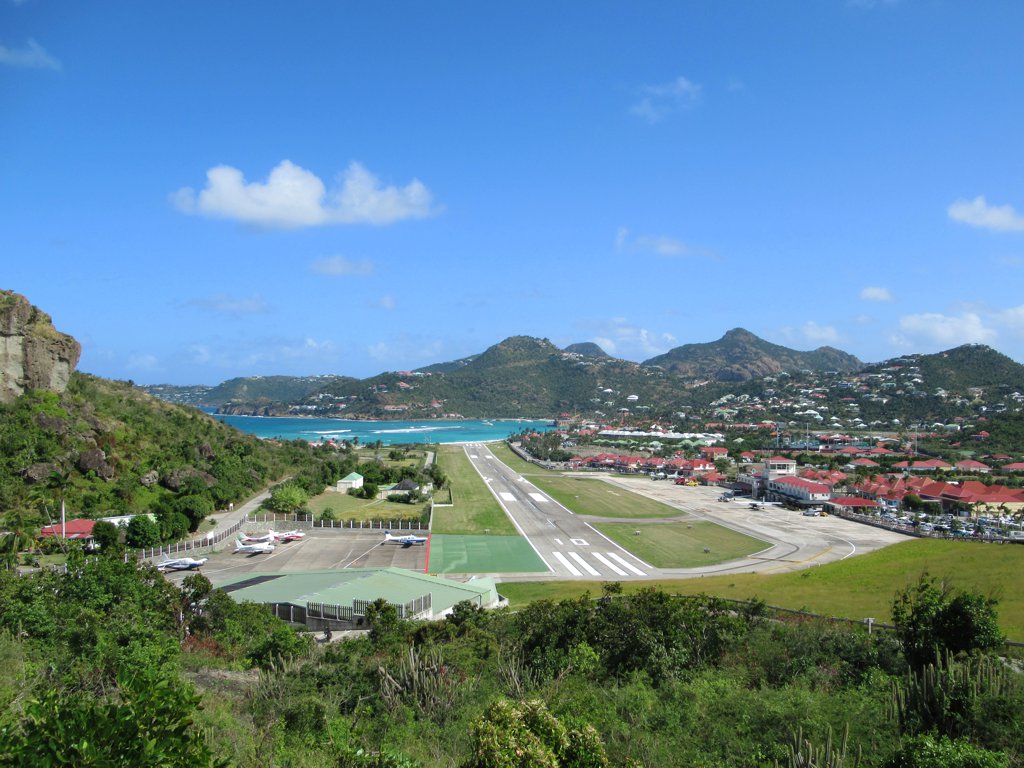
Located in St Jean on the volcanic island of Saint Barthélemy, Gustaf III Airport, also known as Rémy de Haenen Airport or Saint Barthélemy Airport, has a 650 m (2133 ft)-long runway. To land, planes need to approach the runway at a downward slope on the edge of a steep hill, which ends on a short stretch of the beach.
As the island is a popular tourist destination, this airport serves several small regional commercial and charter flights daily, connecting Saint Barthélemy to other parts of the Caribbean such as Antigua, Saint Martin, and Anguilla. Aircraft includes the Pilatus PC-12, Cessna 208B Grand Caravan, and de Havilland DHC-6 Twin Otter. Despite challenging conditions, the airport has a stellar safety record, handling around 140,000 to 170,000 passengers annually.
8. John A. Osborne Airport, Montserrat
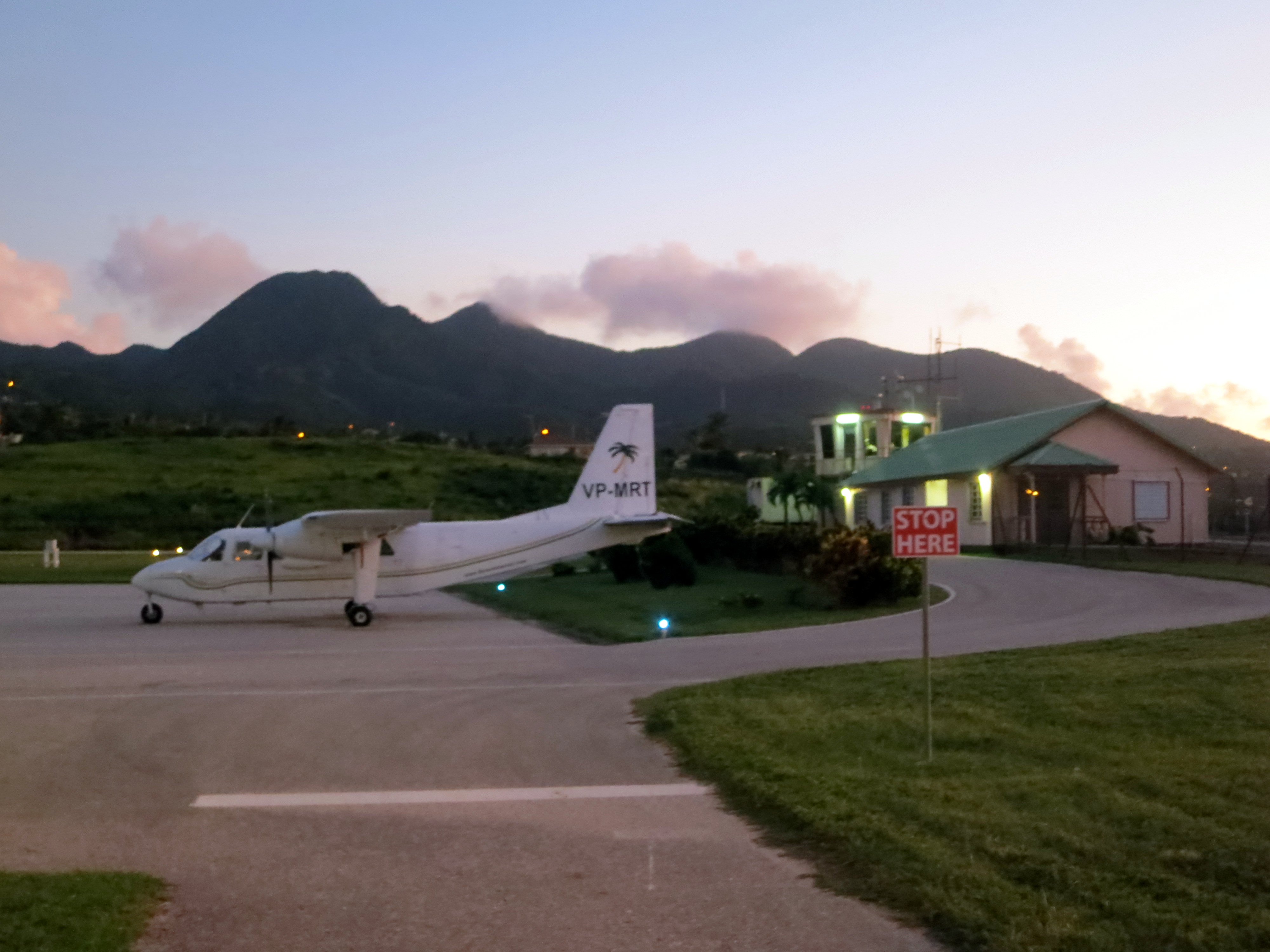
As the sole aviation gateway to Montserrat in the Caribbean Island, John A. Osborne Airport operates with a single, extremely short runway of just 553 m (1814 ft) in length. The combination of this compact runway, mountainous terrains, and the challenges from sudden Caribbean weather shifts limit operations to small Short Take-Off and Landing (STOL)-capable aircraft, primarily the Britten-Norman BN-2 Islander.
Although this airport is among the smallest airports in the world, it plays a vital role in connecting the island with the region with annual passenger traffic of 12,000-15,000. Headquartered at the airport, FlyMontserrat operates regular scheduled flights to Antigua, along with ABM Air and charter operators such as Trans Anguilla Airways. What sets this airport apart is a public road passing underneath the runway through a tunnel in Montserrat’s rugged landscape.
7. Courchevel Airport, France
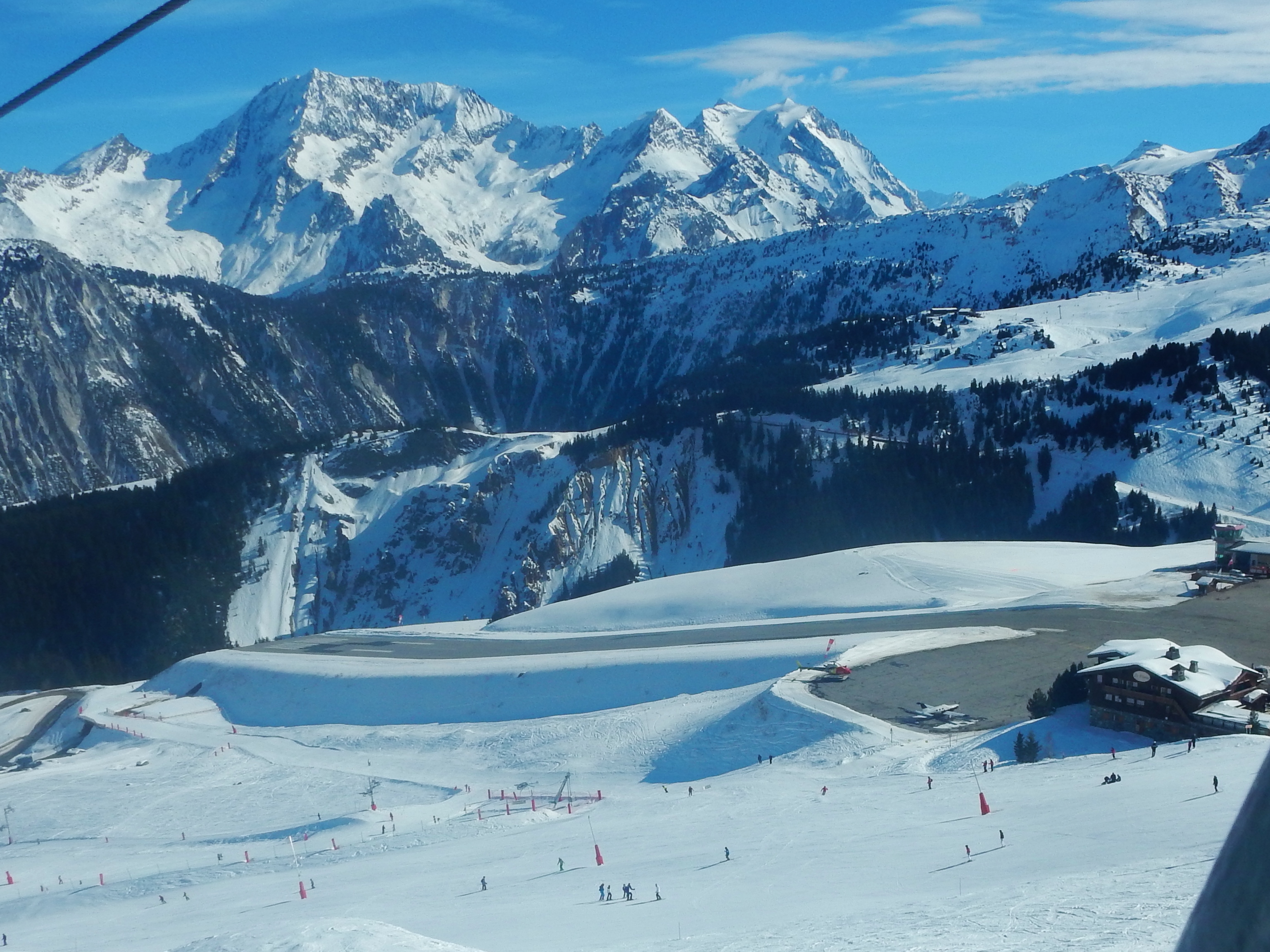
Courchevel Airport serves the luxury ski resort of Courchevel in the French Alps. It is widely regarded as one of the world’s most challenging airports, with no possibility of go-arounds, lighting aids, and instrument approach procedures. Originally measuring 375 m (1230 ft), the runway was extended and widened for the 1992 Winter Olympics to 537 m (1762 m). It is perched at 2,008 m (6588 ft) high, with an extreme gradient of nearly 19%.
Today, the airport is used primarily by helicopters and small STOL-capable aircraft, with operations tightly regulated by the French Civil Aviation Authority. Commercial passenger flights were only permitted from 2015, and Alpine Airlines remains the sole authorised charter operator. Combined with rapidly changing alpine weather, these constraints demand specialized mountain pilot certification and precise flying. Still, roughly 10,000 passengers arrive during its busy winter season from January-March, although this number tends to decline in summer.
6. Tenzing-Hillary Airport, Nepal
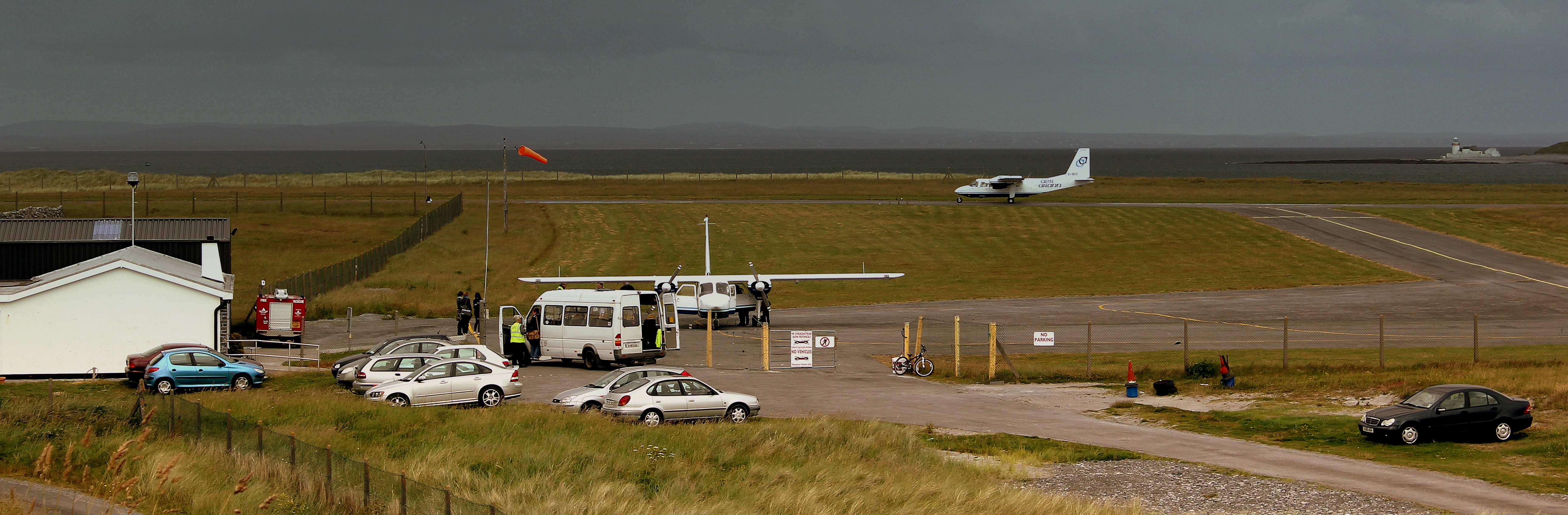
Often used as a starting point for those climbing Mount Everest, Tenzing-Hillary Airport in east Nepal is renowned for being located in an extreme geography. Its runway starts at a cliff edge and ends at a solid rock wall, leaving no chance for planes to have go-arounds. Operating 2,774 m (9101 ft) above sea level, it has a 527 m (1729 ft) runway surrounded by mountain peaks.
Named after Sir Edmund Hillary and Sherpa Tenzing Norgay, the first people to successfully reach the summit of Mount Everest, this airport was built in 1964, but the runway was paved in 2001. It only operates in the daytime, usually between 6 to 9 a.m. due to the lack of navigational landing guides. There are strict requirements for pilots who are allowed to fly aircraft to and from this airport, requiring STOL operations certification and specific mountain flying credentials. Some aircraft operating in the airport are the de Havilland Canada DHC-6 Twin Otter and Dornier 228 due to their high-altitude reliability and manoeuvrability. Despite these conditions, it witnesses significant passenger traffic, with the latest figures showing over 199,000 passengers in 2020.
5. St. Mary’s Airport, Isles of Scilly, United Kingdom
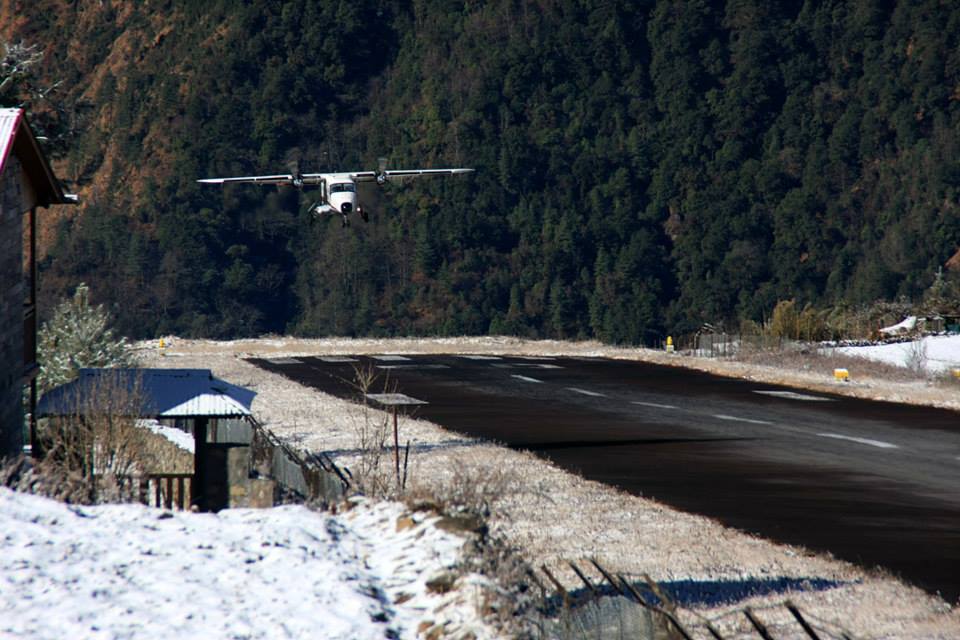
St. Mary’s Airport, off Cornwall’s southwest coast, is the primary aviation facility between the remote archipelago and mainland England. The main runway measures 524 m (1719 ft), with challenging paths over water and rocky cliffs. It is the only fixed-wing airport serving the Isles of Scilly with the highest air traffic to and from the Isles, recording over 68,000 passengers in 2024.
To fly into this airport, passengers have to take the local regional carrier Skybus, which connects St. Mary’s to destinations such as Land’s End, Newquay, and Exeter. Flights are usually under an hour in tiny de Havilland DHC-6 Twin Otters and Britten-Norman Islanders, flown by pilots who have passed special training to get used to the coastal winds and unpredictable weather.
4. Inishmore Aerodrome, Ireland
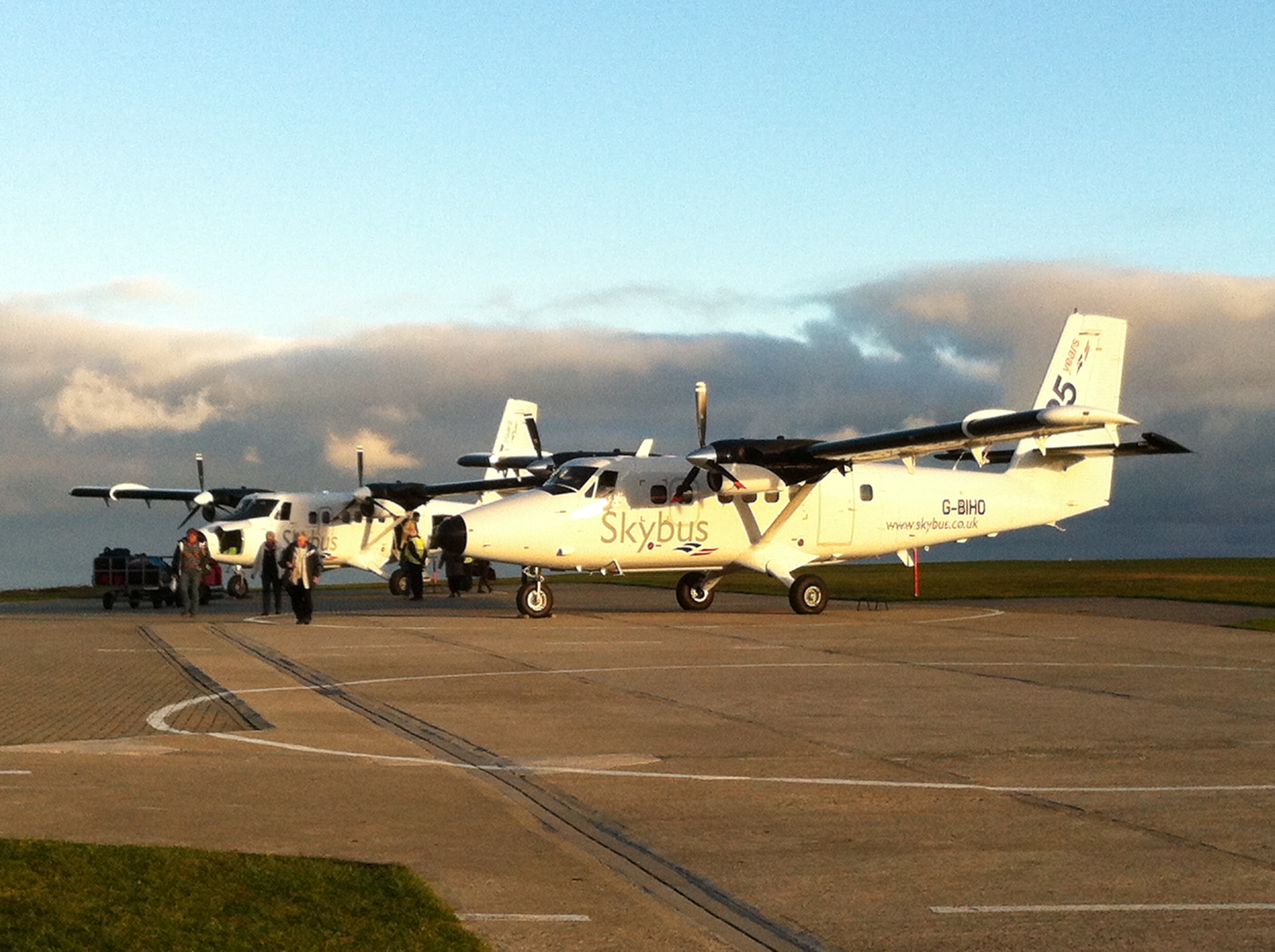
Located in Ireland’s coastline, Inishmore Aerodrome has one of the shortest airport runways and acts as an essential air link to Inis Mór, the largest of the Aran Islands. Its runway measures just 490 m (1608 ft).
Providing a functional airstrip for regional travel, the airport’s low altitude, compact layout, and coastal location demands pilots with precision and familiarity with the island’s conditions. Aer Arann Islands operates on this airport with the Britten-Norman BN-2 Islander, a twin-engine aircraft for STOL operations on rural airstrips. The latest number of annual passengers recorded in 2020 is 5,020 passengers.
3. Heligoland Airport, Germany
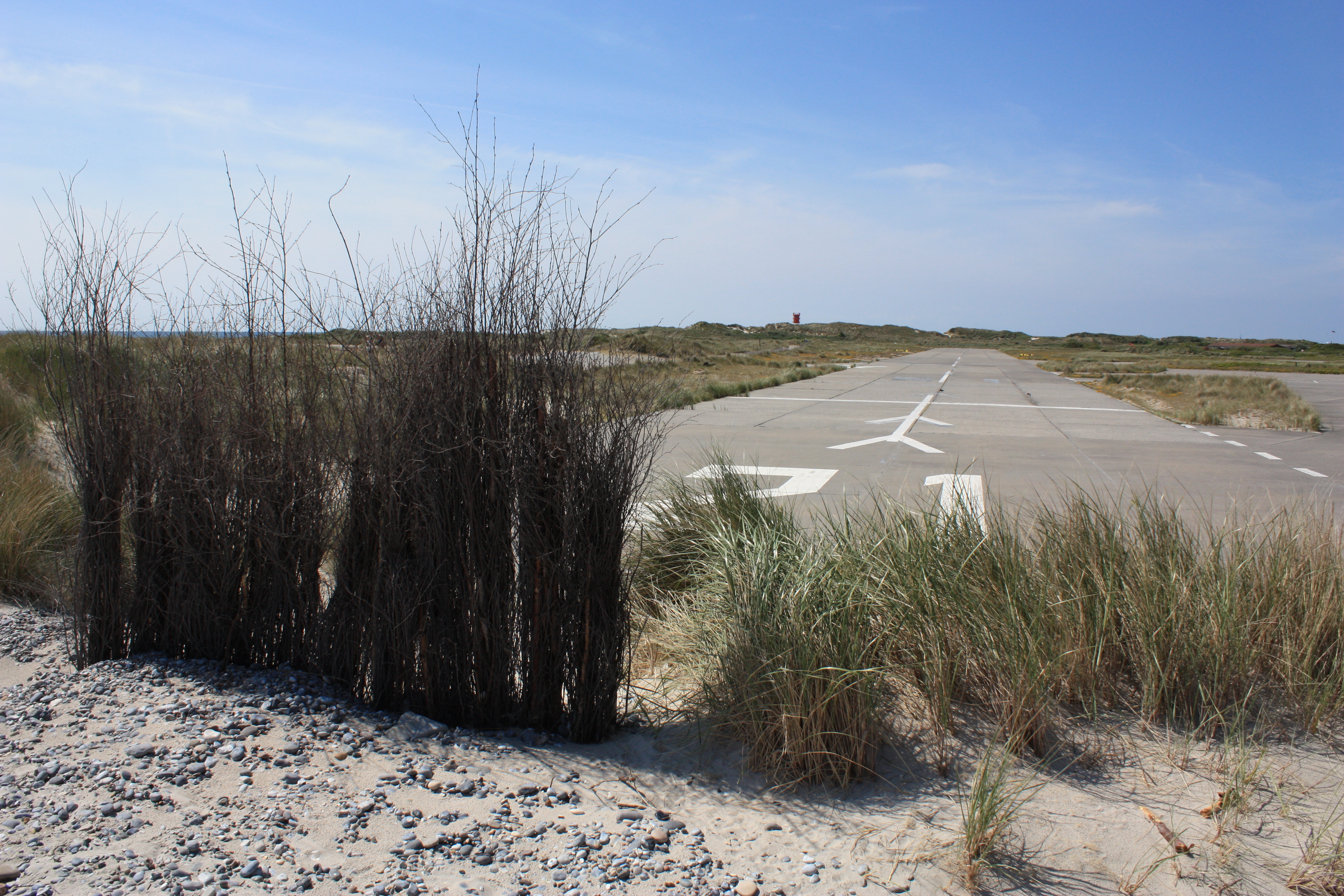
Situated on Germany’s only offshore island, Heligoland Airport has one of the shortest runways in the world that measures 480 m (1575 ft), surrounded by open water on all sides. Once a military field during the Second World War, it was destroyed by enemy attacks before being rebuilt in 1962. Despite its size, landings in this airport are considered safe, although they demand a high level of precision due to crosswinds, changing visibility, and the occasional seabird crossing the runway.
Due to the airport’s oceanfront exposure and short length, flights are restricted to small STOL-capable aircraft. These are mostly Britten-Norman Islander planes operated by Ostfriesischer-Flug-Dienst (OFD), flying to mainland cities like Nordholz and Cuxhaven with an estimation of 10,000 to 15,000 passengers each year.
2. Juancho E. Yrausquin Airport, Saba

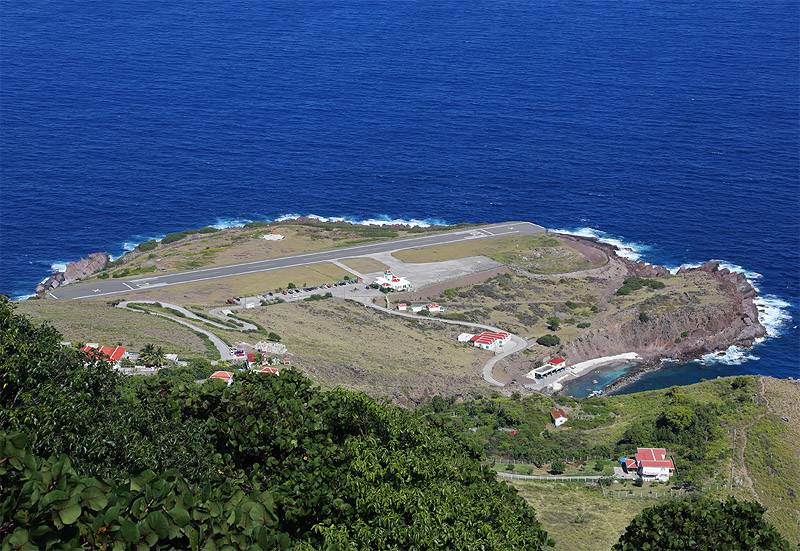
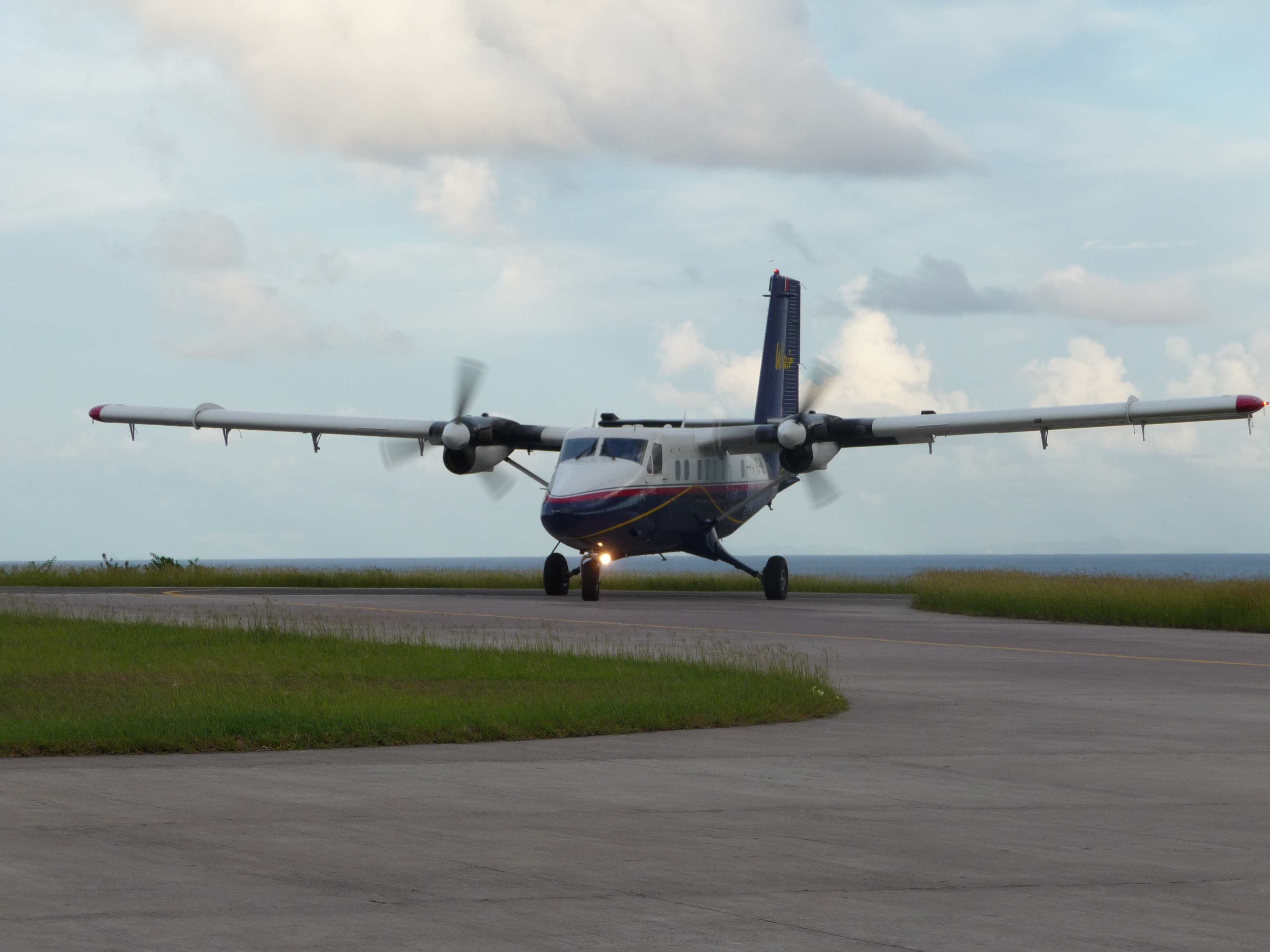
Flying into Saba, a Caribbean island in the Lesser Antilles chain, isn’t for the faint hearted. With steep slopes and sea cliffs, the five-square-mile island does not leave much space for planes to land. However, Juancho E. Yrausquin Airport, ranking second on this list, stands as proof that it can be done. This Saba airport has the world’s shortest commercial runway of only 400 m (1312 ft) long, which also makes it the smallest airport in the world. This small airport is served by only one commercial airline, Winair, which operates exclusively in the Lesser Antilles.
Today, this airport still has roughly 70,000 passenger arrivals and departures every year. In October 2025, the airport installed a new taxiway lighting system using LED lights to improve its safety and reliability.
1. Out Skerries Airstrip, Scotland
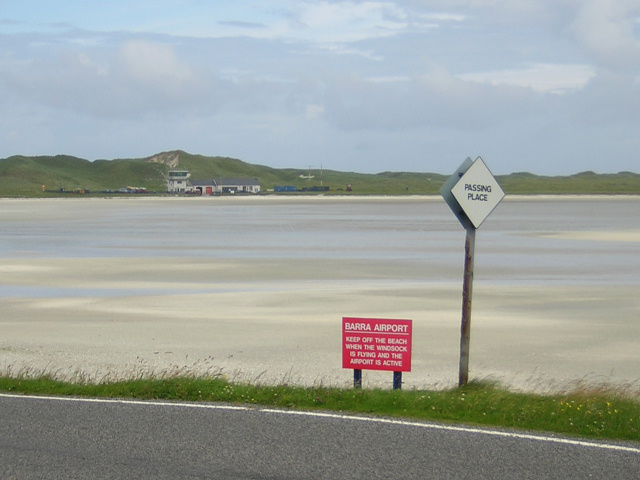
Finally, at number 1, the remote Out Skerries Airstrip sits on a tiny group of islands off the Shetland mainland in Scotland, and is known for operating the world’s shortest runway at 364 m (1194 ft). This airstrip demands exceptional precision and local knowledge, making it only accessible to a limited number of specially certified pilots.
Historically, the airstrip was served by Britten-Norman Islander aircraft operated by Loganair, and later Directflight, due to their ability to cope with strong crosswinds in the Scottish Isles. Completed runway construction in 1973, the facility serves as a vital air link to Tingwall, which helps to significantly reduce isolation of the community. Despite having sporadic flight operations in recent years, this airstrip remains critical, especially for medical evacuation where sea travel is often unreliable.
Below is a table which summarizes the world’s smallest airport by their runway length, from the shortest:
| Airport name and location | Runway length |
|---|---|
| Out Skerries Airstrip, Scotland | 364 m (1194 ft) |
| Juancho E. Yrausquin Airport, Saba | 400 m (1312 ft) |
| Heligoland Airport, Germany | 480 m (1575 ft) |
| Inishmore Aerodrome, Ireland | 490 m (1608 ft) |
| St. Mary’s Airport, Isles of Scilly, United Kingdom | 524 m (1719 ft) |
| Tenzing-Hillary Airport, Nepal | 527 m (1729 ft) |
| Courchevel Airport, France | 537 m (1762 ft) |
| John A. Osborne Airport, Montserrat | 553 m (1814 ft) |
| Gustaf III Airport, Saint Barthélemy | 650 m (2133 ft) |
| Barra Airport, Scotland | 680 m (2231 ft), 800 m (2625 ft), and 846 m (2776 ft) |
With various locations spanning from Caribbean cliffs to alpine slopes and remote islands, the world’s shortest commercial runways and smallest airports redefine what’s possible in aviation. Operating on these runways demands precision and training, maintaining safety and proving that even the most extreme airstrips can reliably connect remote communities to the rest of the world.