
Tenerife Airport Disaster 1977: The Deadliest Plane Crash Ever
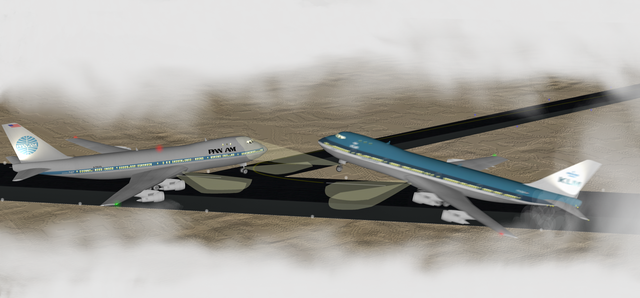
On March 27, 1977, two Boeing 747 aircraft collided on the runway at Los Rodeos Airport (Tenerife North Airport). The two planes involved in the crash were a KLM Boeing 747-200 and a Pan Am Boeing 747-100. Both aircraft were destroyed by the impact, which resulted in 583 fatalities. This disaster remains the deadliest plane crash in history.
Crash Details
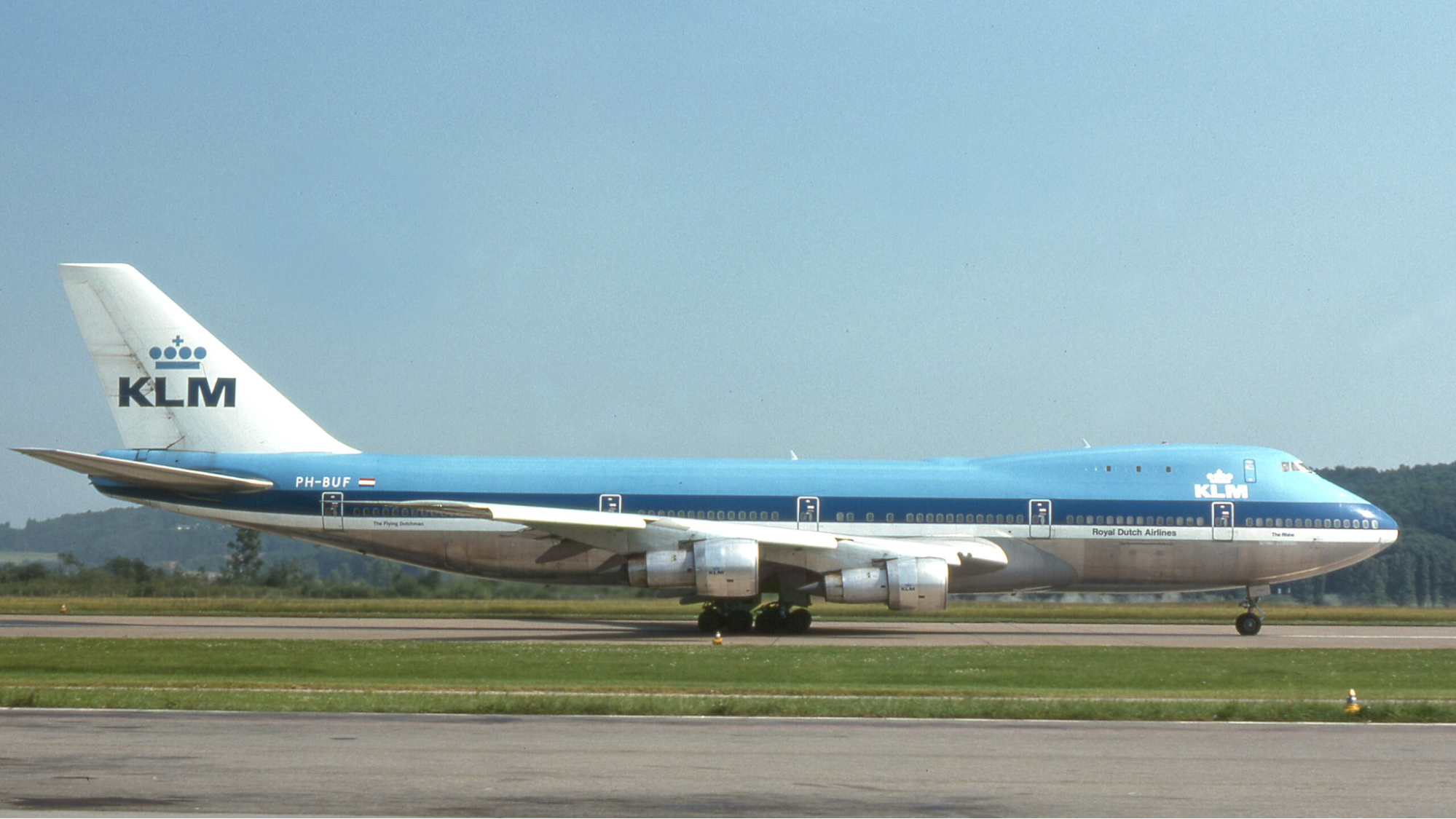
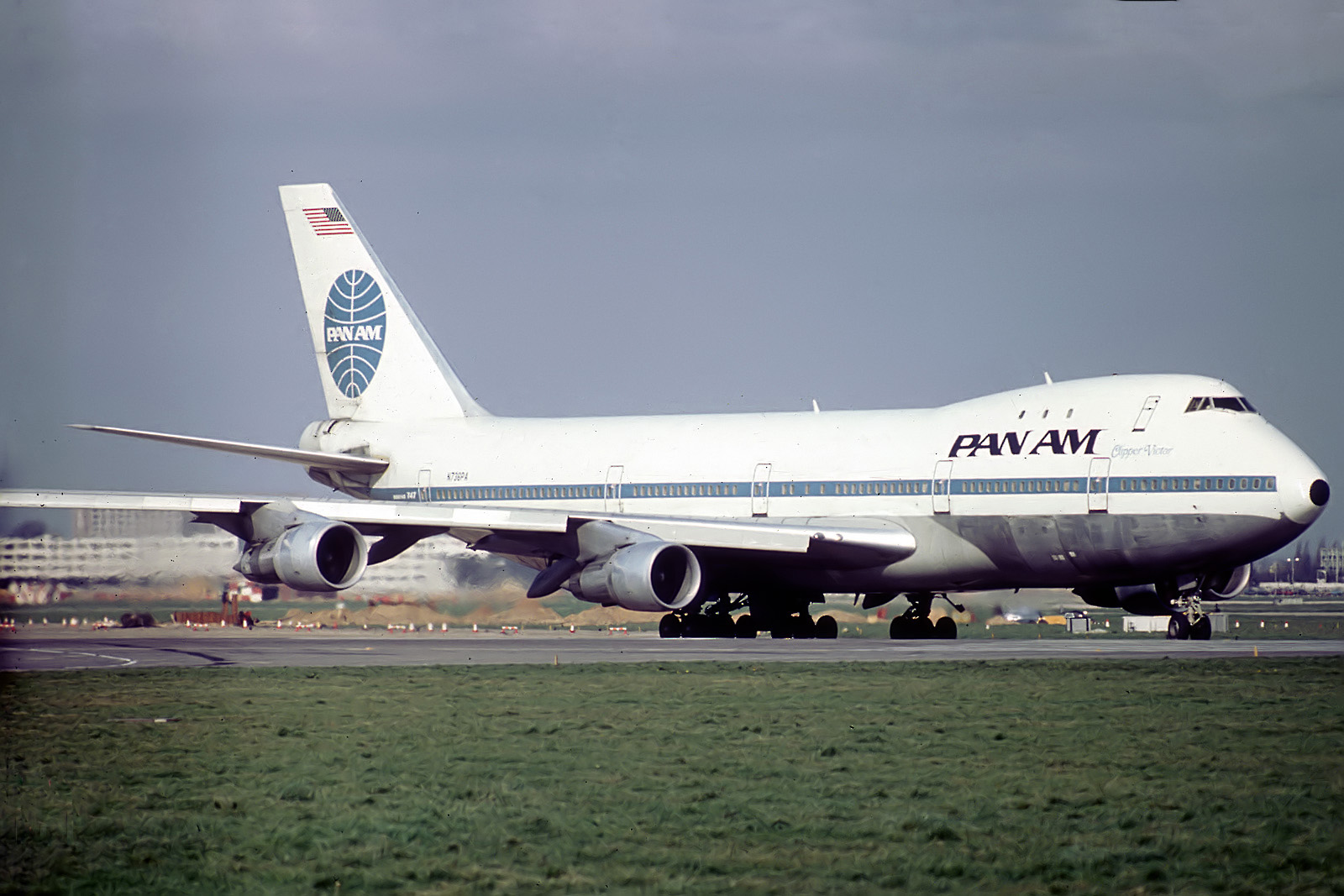
The two planes involved in the crash were:
- Boeing 747-200 (PH-BUF) operated by KLM from Amsterdam as KLM4805
- Boeing 747-100 (N73PA) operated by Pan American Airways from Los Angeles as Clipper 1736
Initially, both flights were headed to the Gran Canaria Airport, Las Palmas. However, they both diverted to Tenerife Los Rodeos when Las Palmas was unexpectedly and temporarily closed due to a local bomb that had exploded at 12:30 local time. Both aircraft were parked on a crowded apron until Las Palmas Airport opened to traffic again at 15:00.
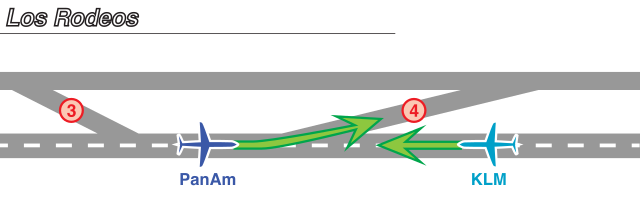
When the Las Palmas Airport re-opened, both planes successfully taxied for their flights. As the passengers on the Pan Am aircraft were aboard, the plane could leave Tenerife immediately. However, the plane had to backtrack for takeoff on a different runway, runway 12, due to the taxiways being congested by other aircraft. However, the entrance to runway 12 was blocked by the KLM aircraft.
At 17:05:44, KLM 4805 was ready for takeoff. Knowing that the Pan Am aircraft was still taxiing on the runway, they asked KLM 4805 to stand by for takeoff. However, this message coincided with the Pan Am crew’s transmission, causing noise in the KLM cockpit. As a result, KLM initiated its takeoff run, mistakenly believing they had clearance and consequently colliding with the Pan Am plane still taxiing on the runway. The KLM aircraft was airborne, but the fuselage skidded over the PanAm’s aft fuselage, destroying it and shearing off the tail. The KLM aircraft flew on and crashed out of control 150 m further on, sliding another 300 m. Due to the full load of fuel, the KLM ignited immediately and started burning, and the flame remained for several hours.
How Many Died in the Tenerife Airport Disaster?
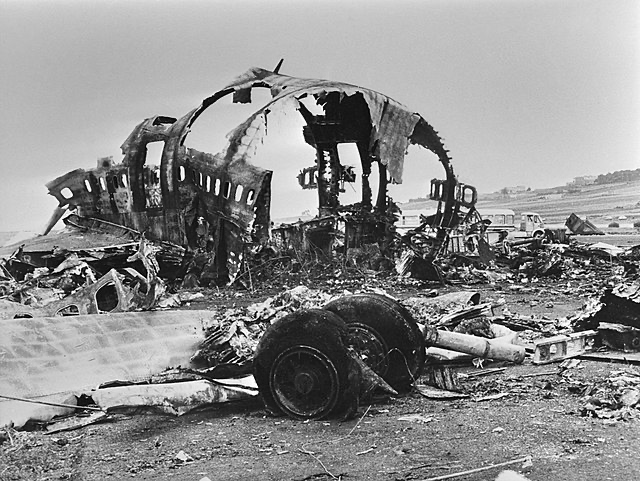
All 248 passengers of the KLM flight and 335 of the 396 occupants of the Pan Am flight were killed or died as a result of injuries. There were 61 Tenerife airport disaster survivors, including both pilots and the flight engineer who escaped from the Pan Am plane. Both planes were completely destroyed while the runway was significantly damaged. One of the survivors had said that sitting near the nose part of the aircraft saved their life.
Investigation
An investigation of the Tenerife airport disaster was carried out by the Spanish Government. The Digital Flight Data Recorder (DFDR) and Cockpit Voice Recorder (CVR) from both aircraft were recovered.
Fundamental Cause
The investigation determined that the primary cause of this accident was the fact that the KLM Captain took off without clearance, and did not interrupt takeoff when the Pan Am aircraft reported that they were still on the runway. Also, the fact that two transmissions took place at the same time caused unclear communication.
Contributory Factors
Moreover, other factors that contributed to the crash were:
Miscommunication
This misunderstanding was caused by the mutual use of usual terminology which led to misinterpretation. The KLM co-pilot used the phrase “We are now at takeoff", an ambiguous sentence and not a proper takeoff clearance request. The tower’s response was “OK… stand by for takeoff" that was also unclear, and the KLM plane had already started taking off before getting any explicit clearance.
Pan Am still on the runway
The Pan Am aircraft failed to exit the runway at the intended intersection and did not clarify which intersection it was. More critically, it never reported that it was clear of the runway and instead twice confirmed it was still taxiing on it.
Adverse weather conditions
Dense fog with intermittent low clouds severely reduced visibility, preventing visual confirmation of the runway clearance and plane positions.
Airport limitations
Heavy airport congestion forced non-standard taxi procedures, including aircraft taxiing on an active runway, which increased the risk of error. Only one runway (12/30) was available and its centerline lighting was unserviceable, making low-visibility operations more hazardous.
Time pressure
The KLM crew was aware of a duty time limit, which may have caused rushed decisions.
From the investigation, three safety recommendations were concluded:
- Great emphasis must be placed on the importance of exact compliance with instructions and clearances.
- The use of standard, concise and unequivocal aeronautical language is essential.
- The use of word “takeoff” in the Air Traffic Control (ATC) clearance and adequate time separation between them is essential.
Aftermath of the Crash
The Tenerife disaster has driven several major changes in the aviation industry. The most immediate changes were to radio communications, where increasing standardization of terminology was implemented around the world. The word takeoff is no longer used by controllers other than when giving a takeoff clearance. To prevent confusion, ATC clearance, now called “route clearance" for better clarity, is usually granted before a plane even leaves the gate. The crash also led to the widespread installation of taxiway markings, which eventually became the standard at every airport today.
Moreover, the magnitude of the disaster also prompted experts to address cockpit culture more intensely. The crash also gave rise to crew resource management (CRM), which has now become the standard framework to encourage clear communication and effective task sharing in airline cockpits. Stress training is a core part of CRM, helping pilots recognize how stress affects decision-making. Crews are trained to verify information, cross-check decisions, and apply strategies to manage stress and reduce errors under pressure.
Safety agencies such as the National Transportation Safety Board (NTSB) also recommended regulations requiring captains to be more receptive to input from copilots, while ensuring co-pilots have sufficient experience and authority to challenge unsafe decisions. Furthermore, advances in cockpit technology and human-system interfaces have been used to reduce reliance on human judgment and support safer decision-making. Modern aircraft data links also enable real-time monitoring by ground control teams, adding an additional layer of oversight and reducing excessive individual authority in the cockpit.
What Can We Learn from the Tenerife Airport Disaster?
The Tenerife Airport Disaster of 1977 remains a defining moment in aviation history, not only because it was the deadliest plane crash in history, but because of the lasting changes it brought upon the industry. The tragedy showed how a combination of human error, unclear communication, environmental conditions, and systemic weaknesses could lead to catastrophic consequences.
In the decades since, aviation safety has been fundamentally reshaped. Standardized radio communication, improved airport infrastructure, advanced cockpit technology, and the global adoption of CRM are all efforts that may significantly reduce the likelihood of similar accidents.